Table of Contents
- What Makes Professional Pressure Washing Services Stand Out
- Residential Pressure Cleaning Services
- Commercial and Industrial Cleaning Solutions
- Soft Washing vs Pressure Washing: Which Method Suits Your Surfaces
- How to Prepare Your Property for Pressure Washing
- Understanding Pressure Washing Cost Calculator and Pricing Factors
- Why Choose Professional Exterior Maintenance Over DIY
- Conclusion
- Frequently Asked Questions
Last Updated: September 1, 2026
What Makes Professional Pressure Washing Services Stand Out
Professional pressure washing services transform exterior surfaces through precision, expertise, and industrial-grade equipment. The difference between DIY attempts and professional results isn’t just about water pressure, it’s about understanding surface materials, selecting appropriate cleaning methods, and delivering consistent outcomes that protect property value.
AquaBlast Elite has spent years refining the science behind effective exterior cleaning. Our approach combines modern high-pressure cleaning equipment with customised solutions tailored to each surface type, ensuring results that genuinely restore rather than damage. Many property owners discover too late that aggressive pressure washing can etch concrete, strip paint, or splinter timber decking. Professional services prevent these costly mistakes.
The best pressure washing services operate with three core principles: surface assessment, method selection, and quality verification. A technician must evaluate whether a surface needs high-pressure cleaning, soft washing, or chemical treatment before starting work. This diagnostic step separates providers who deliver lasting results from those who simply blast everything at maximum pressure.
The most common mistake homeowners make is assuming all surfaces tolerate the same pressure setting. Concrete can handle 3000+ PSI, but timber decks max out around 1500 PSI. Professional teams know these thresholds by heart.
Residential Pressure Cleaning Services
Residential pressure washing addresses the exterior maintenance needs that directly impact curb appeal and property longevity. From driveways caked with years of tyre marks and oil stains to patios colonised by mould and mildew, professional cleaning restores surfaces to near-original condition.
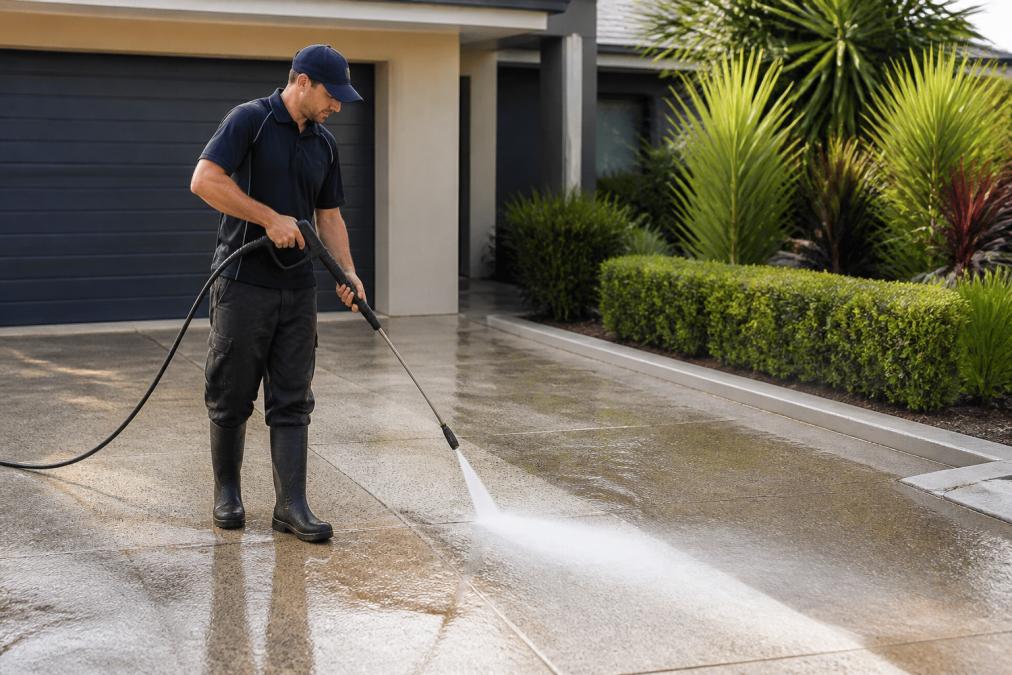
Driveway cleaning is where most homeowners first experience the value of professional pressure washing services offers. Over time, concrete absorbs oil, petrol, rust stains, and algae growth that regular sweeping cannot remove. High-pressure cleaning penetrates these stains at the surface level, lifting them away without damaging the concrete substrate. The process typically takes 2-4 hours depending on driveway size and stain severity.
Deck and patio cleaning requires more finesse than driveway work. Timber decks, composite surfaces, and pavers all respond differently to pressure. Soft washing, a lower-pressure method combined with biodegradable cleaning agents, works best for timber to prevent splintering and grain damage. Concrete patios tolerate higher pressure but benefit from pre-treatment with appropriate cleaning solutions to break down stubborn stains before pressure application.
Roof and gutter cleaning represent another critical residential service. Moss, lichen, and leaf debris accumulate on roof tiles and gutters, creating water pooling that leads to leaks and structural damage. Professional roof cleaning uses lower pressure settings and biodegradable agents to remove growth without displacing tiles. Gutter cleaning combines pressure washing with debris removal to restore proper water flow.
Mould and mildew removal protects both aesthetics and health. These growths thrive on damp exterior surfaces, fence lines, shaded walls, and underneath eaves. Soft washing with appropriate antimicrobial treatments eliminates growth at the root level rather than just surface-level scrubbing. Results last significantly longer when the underlying cause (moisture and shade) is addressed alongside the cleaning.
Commercial and Industrial Cleaning Solutions
Commercial properties demand professional pressure washing services businesses rely on to maintain brand image and operational standards. Retail frontages, office building exteriors, and industrial facilities each have distinct cleaning requirements and regulatory considerations.
Graffiti removal represents a critical commercial service. Property managers face repeated vandalism that damages brand perception and can signal neglect to customers and clients. Professional graffiti removal uses targeted pressure washing combined with chemical treatments appropriate to the surface material. Speed matters, removing graffiti within 24-48 hours of application prevents it from bonding permanently to the surface.
Commercial concrete cleaning extends beyond aesthetics. Loading docks, warehouse floors, and parking areas accumulate oil, tyre marks, and chemical residue that create slip hazards and regulatory compliance issues. Industrial-grade equipment and appropriate cleaning agents restore these surfaces safely. Many commercial clients establish regular maintenance schedules, quarterly or semi-annual cleaning, to prevent heavy buildup that becomes difficult to remove.
Building exterior cleaning maintains professional appearance across multi-storey office and retail properties. Brick, render, and glass facades collect atmospheric pollution, bird droppings, and weather-related staining. Soft washing with biodegradable cleaning agents protects building materials while delivering superior results. Professional teams work with building management to schedule cleaning during off-peak hours, minimising disruption to tenants and customers.
Commercial properties that maintain regular exterior cleaning schedules report higher tenant satisfaction and stronger curb appeal compared to properties cleaned reactively. Preventative maintenance costs less than deep restoration cleaning.
Soft Washing vs Pressure Washing: Which Method Suits Your Surfaces
Understanding the difference between soft washing and pressure washing determines whether your property receives appropriate cleaning without surface damage. These aren’t competing methods, they’re complementary techniques suited to different materials and stain types.
High-pressure cleaning uses water forced through a nozzle at 2000-4000+ PSI to physically remove buildup. This method excels on concrete, pavers, and metal surfaces that tolerate aggressive force. The pressure literally blasts away stains, algae, and debris. Driveway restoration, concrete pathway cleaning, and industrial surface preparation typically require pressure washing. The speed and effectiveness make it ideal for heavy-duty stain removal.
Soft washing applies lower pressure (typically 500-1500 PSI) combined with biodegradable cleaning agents and specialised nozzles. This method suits delicate surfaces: timber decking, render, brick, and roof tiles. The cleaning agents do the work while minimal pressure prevents damage. Soft washing also works better for organic growth like moss and mould because the agents kill the organisms at the root rather than just removing surface growth.
Choosing between methods depends on surface material, stain type, and desired outcomes. Timber requires soft washing to prevent splintering and grain damage. Concrete tolerates and benefits from pressure washing for heavy stain removal. Render and brick often need soft washing to prevent mortar erosion. Many professional jobs combine both methods, soft washing delicate areas and pressure washing strong surfaces on the same property.
The cost difference between methods varies based on the specific job. Soft washing typically takes longer because cleaning agents require dwell time to work effectively, but it protects valuable surfaces. Pressure washing works faster on appropriate materials. Professional assessment determines the most cost-effective approach for your specific surfaces.
Applying high-pressure washing to render, brick, or timber without professional assessment commonly results in permanent surface damage. Once mortar erodes or timber grain splinters, repair costs exceed the original cleaning expense. Incorrect method selection is irreversible.
How to Prepare Your Property for Pressure Washing
Proper preparation ensures professional pressure washing services providers deliver optimal results and prevents unnecessary damage or complications. Homeowners and property managers who prepare appropriately experience faster service completion and superior outcomes.
Remove or protect items that shouldn’t get wet. Garden furniture, potted plants, outdoor electrical equipment, and vehicles should be relocated or covered. Pressure washing creates significant water spray that extends beyond the immediate work area. Professional teams will note obstacles, but property owners who prepare in advance reduce service time and eliminate potential damage to personal items.
Close windows and doors to prevent water ingress. Even with careful technique, water spray can find gaps around poorly-sealed windows or doors. Checking seals beforehand and temporarily sealing any gaps prevents water damage inside the building. Exterior-mounted air conditioning units and electrical boxes should be protected with plastic sheeting if they’re in the work area.
Inform the service provider about surface concerns. If you’ve noticed cracks in concrete, loose bricks, or damaged render, mention these before work starts. Professional teams adjust their approach around existing damage to prevent exacerbating it. Similarly, if you’re unsure whether a surface can tolerate pressure washing, ask for soft washing instead, better to be cautious with valuable surfaces.
Clear the work area of debris. Remove loose objects, branches, or accumulated rubbish from surfaces being cleaned. This speeds up the cleaning process and prevents debris from being scattered by pressure washing. Gutters should be cleared of leaves and major debris before gutter cleaning begins.
Discuss water runoff management beforehand. Where will cleaning water flow? If your property slopes toward a neighbour’s property or storm drains, the service provider needs to know. Professional teams use appropriate techniques to manage runoff responsibly and comply with environmental regulations regarding water discharge.
Understanding Pressure Washing Cost Calculator and Pricing Factors
Pressure washing pricing varies significantly based on surface area, material type, stain severity, and access difficulty. Understanding these factors helps property owners evaluate quotes and recognise fair pricing from different providers.
Surface area directly impacts cost, larger driveways, expansive patios, and multi-storey building exteriors require more time and resources. Most providers quote based on square metres cleaned. A 50-square-metre driveway costs considerably less than a 200-square-metre commercial car park.
Stain severity affects both method selection and time required. Light surface dirt requires basic pressure washing. Heavy oil stains, years of accumulated mould, or graffiti require pre-treatment with chemical cleaning agents, extended dwell time, and potentially multiple passes. These complications increase labour time and material costs.
Surface material determines which cleaning method applies, which influences pricing. Soft washing typically takes longer because cleaning agents require dwell time to work effectively, but it protects valuable surfaces. Pressure washing works faster on appropriate materials.
Access difficulty affects pricing significantly. Ground-level surfaces are straightforward. Second-storey walls, high roof sections, or properties with limited vehicle access require specialised equipment, additional safety measures, or extended setup time. These complications justify higher quotes.
Frequency of service influences per-visit cost. Regular maintenance cleaning costs less per visit than one-time deep restoration. Established clients who schedule quarterly or semi-annual cleaning often receive better per-visit rates than one-off jobs.
Property owners seeking accurate pricing should provide specific details: exact surface area, surface material, stain type, and access conditions. Vague quotes without this information typically underestimate actual costs.
Why Choose Professional Exterior Maintenance Over DIY
The temptation to rent equipment and handle pressure washing yourself is understandable, but professional pressure washing services businesses and homeowners rely on deliver results that DIY attempts rarely match. Understanding the risks and limitations of DIY work clarifies why professional service represents genuine value.
Equipment damage is the first risk. Pressure washers are powerful machines requiring proper operation technique. Incorrect nozzle selection, excessive pressure, or poor handling can damage the equipment itself or cause injury. Rental equipment often lacks the safety features and maintenance that professional-grade machines include. Equipment failure mid-project leaves you with an incomplete job and rental charges continuing.
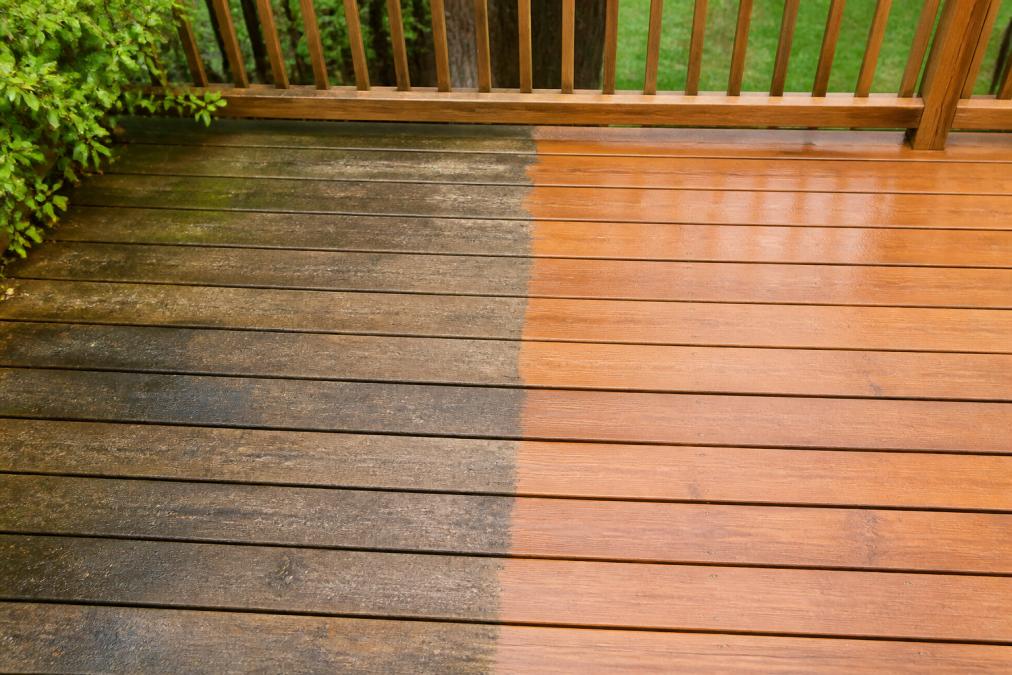
Surface damage from incorrect pressure application is irreversible. Timber decks splinter when pressure exceeds 1500 PSI. Render erodes when high pressure hits mortar joints. Concrete can develop surface crazing from excessive pressure. These mistakes cost thousands to repair. Professional teams know appropriate pressure for each material and adjust technique accordingly.
Personal injury risk shouldn’t be dismissed. High-pressure water streams can cause lacerations if they contact skin. Falls from ladders while operating equipment, slips on wet surfaces, and strain injuries from handling heavy equipment occur regularly with DIY attempts. Professional teams carry insurance and follow safety protocols that minimise these risks.
Time investment exceeds most homeowners’ expectations. What appears to be a weekend project often extends across multiple days. Equipment setup, surface preparation, actual cleaning, and thorough drying consume far more time than anticipated. Professional teams complete jobs efficiently because they perform them regularly and have optimised processes.
Chemical safety requires knowledge. Appropriate cleaning agents for different surfaces and stain types aren’t interchangeable. Using incorrect chemicals can damage surfaces, harm vegetation, or create environmental compliance issues. Professional teams understand which biodegradable cleaning agents work for specific applications and apply them safely.
Results quality differs markedly. Professional pressure washing services providers deliver consistent, thorough cleaning that restores surfaces to near-original condition. DIY results typically show missed spots, incomplete stain removal, and uneven cleaning patterns. The visual difference is immediately apparent.
Conclusion
Professional pressure washing services properties need combine expertise, appropriate equipment, and tailored methodology that DIY approaches cannot replicate. The difference between surface restoration and surface damage often comes down to understanding material properties, selecting correct cleaning methods, and executing work with precision.
AquaBlast Elite delivers customised pressure washing solutions across residential, commercial, and industrial properties throughout and surrounding areas. Our skilled professionals assess each surface, select appropriate cleaning methods, whether high-pressure cleaning or soft washing, and execute work that restores rather than damages. From driveway restoration and graffiti removal to roof and gutter cleaning, we handle the full range of exterior maintenance needs. BOOK A CALL with AquaBlast Elite today and experience the difference that professional expertise and modern equipment deliver for your property.
Frequently Asked Questions
Q: What factors affect the cost of pressure washing services?
A: Pricing depends on several variables: surface area to be cleaned, surface type (concrete, timber, brick, or pavers), level of soiling, accessibility, and whether soft washing or high-pressure cleaning is required. Request a free quote from AquaBlast Elite to receive a personalised estimate based on your specific property needs.
Q: What is the difference between soft washing and pressure washing?
A: Soft washing uses lower pressure (typically under 500 PSI) with biodegradable cleaning agents to safely clean delicate surfaces like timber decks, rendered walls, and roof tiles. High-pressure cleaning (1500+ PSI) removes stubborn stains, graffiti, and heavy soiling from concrete, driveways, and industrial surfaces. Soft washing prevents surface damage, whilst pressure washing delivers aggressive restoration for heavily soiled areas.
Q: How should I prepare my property before professional pressure washing?
A: Remove loose items, garden furniture, and potted plants from the area. Close windows and doors to prevent water entry. Inform the cleaning team of delicate plants or surfaces needing protection. If you have outdoor electrical outlets, ensure they’re covered or switched off. Discuss any surface concerns with the technician beforehand, timber decks, rendered walls, or painted surfaces may require soft washing instead of high pressure to prevent damage.
Q: Is professional pressure washing safe for all exterior surfaces?
A: Not all surfaces tolerate high pressure equally. Concrete and pavers handle high-pressure cleaning well, but timber decks, brick, and rendered walls require soft washing to prevent damage. Industrial-grade equipment in professional hands minimises surface damage risk compared to DIY attempts. AquaBlast Elite assesses each surface and applies the appropriate method, pressure washing, soft washing, or chemical cleaning, to deliver results without compromising structural integrity.
This article was written using GrandRanker