
Table of Contents
- Signs Your Timber Deck Needs Professional Restoration
- What Professional Deck Restoration Sydney 2026 Includes
- How to Prepare a Deck for Restoration: Step-by-Step
- Deck Sanding and Oiling Cost: What to Expect in 2026
- Oil vs. Stain: Choosing the Right Finish for Your Timber
- DIY vs. Professional Restoration: A Cost-Benefit Analysis
- Long-Term Maintenance Schedules for Restored Decks
- Conclusion: Protecting Your Outdoor Living Space
- Frequently Asked Questions
Last Updated: September 5, 2026
Signs Your Timber Deck Needs Professional Restoration
Sydney’s harsh sun and frequent rain take a visible toll on timber decks, often within a few seasons. Grey, weathered surfaces, raised splinters, or cupping along the edges mean the protective coating has already failed. Catching these signs early is the difference between a straightforward restoration and costly board replacement.
Beyond the obvious discolouration, check for structural warning signs. A common mistake is focusing only on the surface colour while ignoring soft spots underfoot, which indicate wood rot that compromises the deck’s structural integrity. Nails that have started to pop, loose balustrades, or boards that feel spongy after rain all point to moisture penetrating the timber grain. According to guidance from the Australian Timber Decking Association, decks left untreated for extended periods often require more intensive wood rot repair rather than simple rejuvenation.
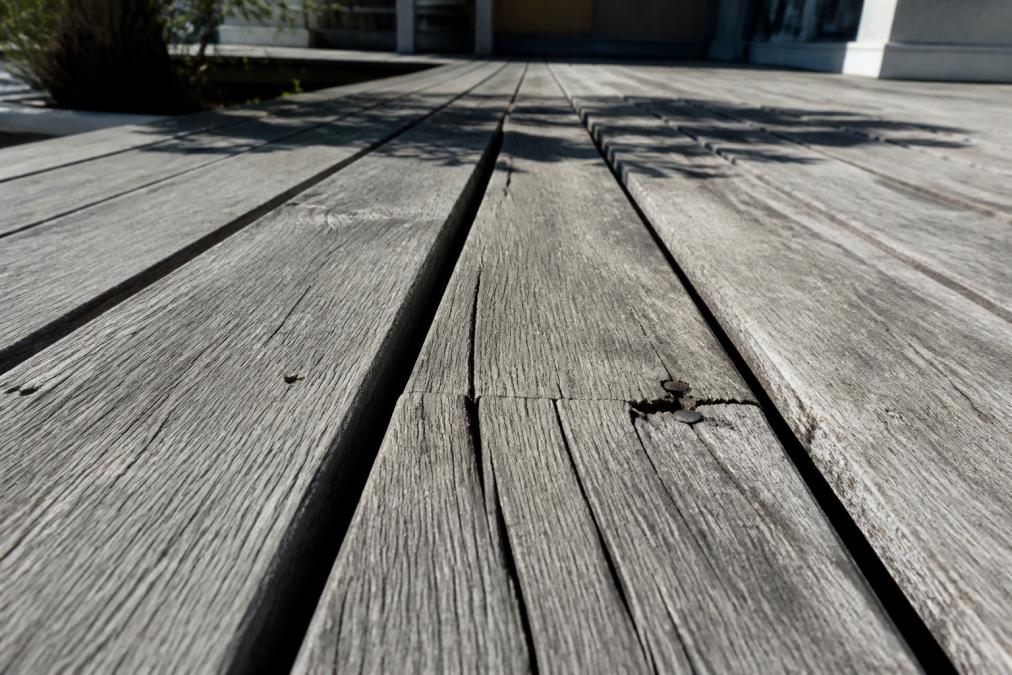
At AquaBlast Elite, we inspect every deck before recommending a treatment path. If the joists and bearers are sound but the surface is weathered, professional restoration will bring the timber back to life. If the structure is compromised, we will tell you honestly before any money is spent.
What Professional Deck Restoration Sydney 2026 Includes
Professional deck restoration is a multi-stage process that goes far beyond what a weekend pressure cleaner can achieve. A comprehensive service covers inspection, cleaning, sanding, and a protective finish, each stage extending your decking lifespan.
The full process generally follows this sequence:
- Initial inspection to assess timber condition and identify rot or structural issues
- Cleaning to remove mould, mildew, and embedded grime
- Sanding to strip old coatings and reveal fresh timber
- Repairs to replace damaged boards or fix loose fixings
- Finishing with oil, stain, or sealant for weatherproofing
What separates a professional job from a rushed one is preparation. Skipping sanding means new oil sits on old residue and peels within months. Preparation depth is the single biggest factor in whether results last two years or five.
How to Prepare a Deck for Restoration: Step-by-Step
Proper preparation is the foundation of any successful restoration. Rushing this phase is the most common reason finishes fail prematurely.
Clearing and Initial Inspection
Start by removing all furniture, potted plants, and debris. Inspect for loose boards, protruding nails, or wood rot, and mark damaged sections before cleaning begins.
Cleaning and Surface Preparation
Once clear, the surface needs a deep clean to remove mould, algae, and old oil residue. Professional pressure cleaning at the correct pressure removes grime without gouging soft timber (woodworkingnetwork.com). Excessive pressure on softwood creates furrows that no amount of sanding will fully remove.
After cleaning, allow the deck to dry completely, typically 24 to 48 hours. Sanding then smooths the surface and opens the grain for better oil penetration. The goal is a clean, dry, smooth surface that accepts the new finish evenly.
The most common DIY mistake is pressure cleaning with too much force on softwood species like pine. This blasts away the soft grain between the harder growth rings, leaving a ridged surface that cannot be sanded flat without removing excessive material. If you are unsure about the correct pressure for your timber, professional assessment is worth the cost.
Deck Sanding and Oiling Cost: What to Expect in 2026
Cost is the first question most Sydney homeowners ask. Deck sanding and oiling cost estimates vary widely depending on deck size, timber species, and surface condition. Pricing is typically calculated on a square metre rate, with larger decks attracting a slightly lower per-square-metre price.
Several factors influence the final quote:
- Deck size: Larger areas take more time, product, and labour
- Timber condition: Heavily weathered or previously painted decks require extra sanding
- Timber species: Hardwood restoration is more labour-intensive than softwood treatment
- Access: Decks on upper levels or with restricted access take longer to work on
- Finish choice: Premium oils with higher UV protection cost more than basic sealers
Rather than quoting a fixed price, reputable providers assess the deck first and provide an itemised quote. At AquaBlast Elite, every project receives a customised solution because no two decks are in the same condition. Request a service quote through our website for an inspection and detailed breakdown before any work begins.
The cheapest quote is rarely [the most](/pressure-washing-safety-tips-for-homeowners/) cost-effective. A rushed sanding job or a thin, low-quality oil coat will need redoing within 12 to 18 months, costing more than a proper restoration that lasts up to five years.
Oil vs. Stain: Choosing the Right Finish for Your Timber
Choosing between oil and stain depends on your timber species and aesthetic goals. Decking oil penetrates deep into the grain to nourish the wood from within, offering excellent water resistance while maintaining a natural, matte appearance. Decking stain sits closer to the surface, providing a more durable film with superior UV protection and more colour options.
For Australian conditions, the choice often comes down to maintenance tolerance. Oiled decks are easier to refresh: a light clean and re-oil brings them back without sanding. Stained decks last longer between coats but require more involved preparation when recoating. Hardwoods like spotted gum and blackbutt suit clear or light-tinted oils, while softer timbers may benefit from a pigmented stain.
| Finish Type | Penetration | Durability | Maintenance | Best For |
|---|---|---|---|---|
| Decking Oil | Deep | 12-24 months | Light re-coat | Hardwoods, natural look |
| Decking Stain | Surface film | 2-4 years | Full strip to recoat | Softwoods, colour control |
| Clear Sealer | Minimal | 6-12 months | Frequent re-coats | Quick refresh, minimal change |
Matching the Finish to Your Timber Species
The most common mistake in finish selection is treating all timber the same. Each species responds differently to oils and stains, and choosing the wrong product can void warranties or cause premature failure.
Merbau is popular for its durability and rich colour, but it leaches tannins when wet, which can stain concrete. A high-quality, UV-stable oil is preferred because it allows natural colour to develop while providing a breathable barrier. Stains can trap moisture and accelerate tannin leaching. When using oil, apply the first coat, allow it to weather for several weeks, then apply a second coat.
Spotted Gum is prized for its hardness and distinctive grain. Its high oil content makes it naturally moisture-resistant but can cause it to reject film-forming finishes. A penetrating oil is almost always the right choice, as it flexes with the timber’s natural movement and prevents peeling. Clear or light-honey tints enhance the grain; avoid dark stains, which can look blotchy.
Pine and other softwoods are more porous and absorb finishes unevenly. A pigmented stain or oil with a UV blocker is essential, as bare pine will grey within weeks under Sydney’s sun. Stains provide more uniform colour and better moisture protection. For pine decks, a stain with a built-in mould inhibitor is effective in shaded, damp areas.
Environmental Impact of Wood Treatments
Water-based oils and stains have lower volatile organic compound levels than solvent-based counterparts, making them safer for surrounding gardens and stormwater runoff (the EPA). Many Sydney homeowners now request low-toxicity options, and professional applicators can advise on products that balance durability with environmental responsibility.
Look for products carrying Australian GreenTag certification or those free from heavy metals and aromatic hydrocarbons. Some premium brands offer bio-based oils derived from plant oils such as tung and linseed, providing excellent penetration without petrochemical solvents. These typically have a slightly shorter lifespan, but the trade-off is safer application and reduced environmental impact.
If your deck is within 10 metres of a stormwater drain or a vegetable garden, avoid solvent-based treatments entirely. Runoff from these products can contaminate local waterways and harm beneficial soil organisms. Water-based or bio-based alternatives are the responsible choice in these situations.
A common pattern is to assume a single product works for all timber types. The finish that performs beautifully on a Merbau deck can fail within months on a Spotted Gum surface. Matching the finish chemistry to your specific timber species is the single most important factor in achieving a long-lasting result.
DIY vs. Professional Restoration: A Cost-Benefit Analysis
The DIY route appears cheaper on paper, but hidden costs and risks often reverse that calculation. Hiring a pressure cleaner, buying sanders and quality oils, and investing several weekends of labour adds up quickly. Mistakes are expensive to undo: over-sanding thins the boards, incorrect pressure cleaning damages the timber, and poorly applied finishes fail within months.
Professional restoration brings equipment and expertise most homeowners do not possess. Industrial-grade sanders remove old coatings evenly without swirl marks, and experienced applicators know exactly how many coats a species requires. The value shows in both finish quality and longevity.
The real cost comparison is the total cost over five years. A DIY job that fails after 18 months requires another full round of cleaning, sanding, and coating. A professional restoration that lasts four to five years often proves more economical. If you have a large deck, limited free time, or a valuable hardwood surface, professional restoration is prudent. If you have a small, low-value deck and enjoy weekend projects, DIY can be viable with proper equipment and preparation.
Long-Term Maintenance Schedules for Restored Decks
A professionally restored deck requires ongoing care to protect your investment. The key to maximising decking lifespan is a consistent maintenance schedule rather than waiting for visible deterioration. Most manufacturers recommend a light clean every three to six months and a full re-oil or re-stain every one to three years, depending on finish and exposure.
A practical maintenance routine looks like this:
- Monthly: Sweep debris and check for raised splinters or loose fixings
- Quarterly: Hose down and spot-clean high-traffic areas
- Every 6-12 months: Apply a timber cleaner and gently pressure clean to remove mould and grime
- Every 1-3 years: Reapply oil or stain before the old coat fully fails
A Seasonal Maintenance Calendar for Sydney Conditions
Sydney’s climate is defined by hot, dry summers and humid, wet winters, with sudden storms possible at any time. These conditions demand a maintenance schedule aligned with the seasons:
September (Early Spring): Perform your primary inspection and cleaning. This is the ideal time to assess winter damage, check for mould in shaded areas, and apply the first coat of oil or stain if due. Mild temperatures and lower humidity allow finishes to cure properly before summer heat arrives.
December (Early Summer): Before peak UV, test water resistance by splashing water on the surface. If it soaks in rather than beading, apply a maintenance coat of oil to the most exposed areas. Also trim overhanging branches that will drop sap or leaves during the hottest months.
March (Autumn): After summer’s UV exposure, inspect for fading or greying. A light clean and spot treatment of high-traffic areas now will prevent the need for a full restoration before winter. Clear gutters and downpipes that direct water onto the deck.
June (Winter): Focus on ventilation and moisture control. Ensure furniture is lifted off the deck to allow airflow, and check that potted plants are not trapping moisture against the boards. Address mould or mildew immediately with a dedicated timber cleaner rather than waiting for spring.
The Water Bead Test: Your Early Warning System
The timing of recoating is critical. Waiting until the deck looks grey means the timber has already lost protection and begun to degrade. Splash water on the surface: if it beads up, the coating is still working; if it soaks in, the deck needs recoating soon. Regular exterior property maintenance prevents the need for intensive restoration later.
Perform this test in three locations: near the house wall, in the centre, and at the outer edge. These areas experience different traffic and weather exposure, so they will fail at different rates. If any single area fails, the entire deck needs recoating. Partial recoating creates visible patchiness and leaves uncoated areas vulnerable to moisture ingress.
Downloadable Maintenance Calendar
To make this schedule practical, we have created a downloadable PDF maintenance calendar you can print and keep with your home maintenance records. It includes:
- A visual year-at-a-glance chart showing when each task should be performed
- A simple checklist for each seasonal inspection
- Space to record the date and product used for each re-oil or re-stain
- A log for any repairs or spot treatments performed between full maintenance cycles
This calendar is designed to be a living document that tracks your deck’s history, making it easier to spot patterns in wear and plan future restoration work.
Set a reminder to check your deck’s water resistance before summer and before winter each year. These are the two periods when Sydney decks face the most extreme conditions, and catching coating failure early makes the eventual re-oil a simple refresh rather than a full restoration.
Species-Specific Maintenance Adjustments
Your maintenance schedule should also account for your specific timber species. Merbau decks benefit from an annual application of a UV-stabilising oil to maintain their rich colour, as the timber naturally fades to silver-grey within months. Spotted Gum requires less frequent recoating due to its natural oil content, but needs monitoring for surface checking in hot, dry periods. Pine decks demand the most vigilant schedule, with recoating every 12 to 18 months essential to prevent moisture damage.
A common pattern is to treat all decks the same, regardless of species. This leads to premature failure in softwoods and unnecessary recoating in hardwoods. Matching your maintenance frequency to your timber’s natural characteristics will extend the life of both the coating and the boards.
Conclusion: Protecting Your Outdoor Living Space
Your timber deck is an outdoor living space that extends your home’s usable area and adds value. Protecting it requires recognising signs of wear early, investing in proper preparation and finishing, and committing to a realistic maintenance schedule. Whether you tackle the work yourself or engage professionals, the principles remain the same: clean thoroughly, prepare properly, and protect consistently.
For homeowners who want results that last, professional restoration delivers superior quality and longevity. AquaBlast Elite brings years of industry expertise and modern high-pressure cleaning equipment to every project across Sydney and its surrounds. Our skilled professionals assess each deck individually, provide customised solutions, and restore surfaces to look brand new while protecting the timber for years to come. If your deck is showing signs of wear, book a call with our team today to discuss how we can rejuvenate your outdoor space.
Frequently Asked Questions
How often should you have your timber deck professionally restored?
Most timber decks in Sydney need professional restoration every 2 to 3 years, depending on sun exposure, foot traffic, and the quality of the previous finish. A deck in full sun with heavy use may need annual attention, while a shaded, covered deck could stretch to 4 years. Regular maintenance between full restorations, such as cleaning and applying a maintenance coat of oil, extends the interval and protects the timber grain from moisture and UV damage.
What is the typical cost of professional deck restoration in 2026?
The cost of professional deck restoration in 2026 depends on the deck size, timber condition, and the finish you choose. The square metre rate varies between providers, and the total includes surface preparation, sanding, and the coating itself. For an accurate figure, request a service quote from AquaBlast Elite, as pricing depends on the specific condition of your decking boards and the restoration method required.
What are the benefits of professional sanding versus chemical cleaning?
Professional sanding removes the weathered surface layer entirely, exposing fresh timber grain and creating a clean base for oil or stain to penetrate deeply. Chemical cleaning alone removes surface dirt and mildew but leaves the grey, degraded layer intact, which blocks new coatings from bonding properly. Sanding also smooths splinters and minor imperfections. For heavily weathered decks, sanding delivers a longer-lasting result than chemical cleaning alone.
How do I choose between oil-based and water-based decking stains?
Oil-based finishes penetrate the timber grain, offering deep protection from within and a natural look. Water-based stains sit on the surface, creating a harder film that resists scuffs but can peel over time. For Australian hardwoods, oil is often preferred for its flexibility and ease of recoating. Consider your deck’s sun exposure and foot traffic when deciding, and ask your restoration provider for a recommendation based on your timber type.